Progress & Paperwork

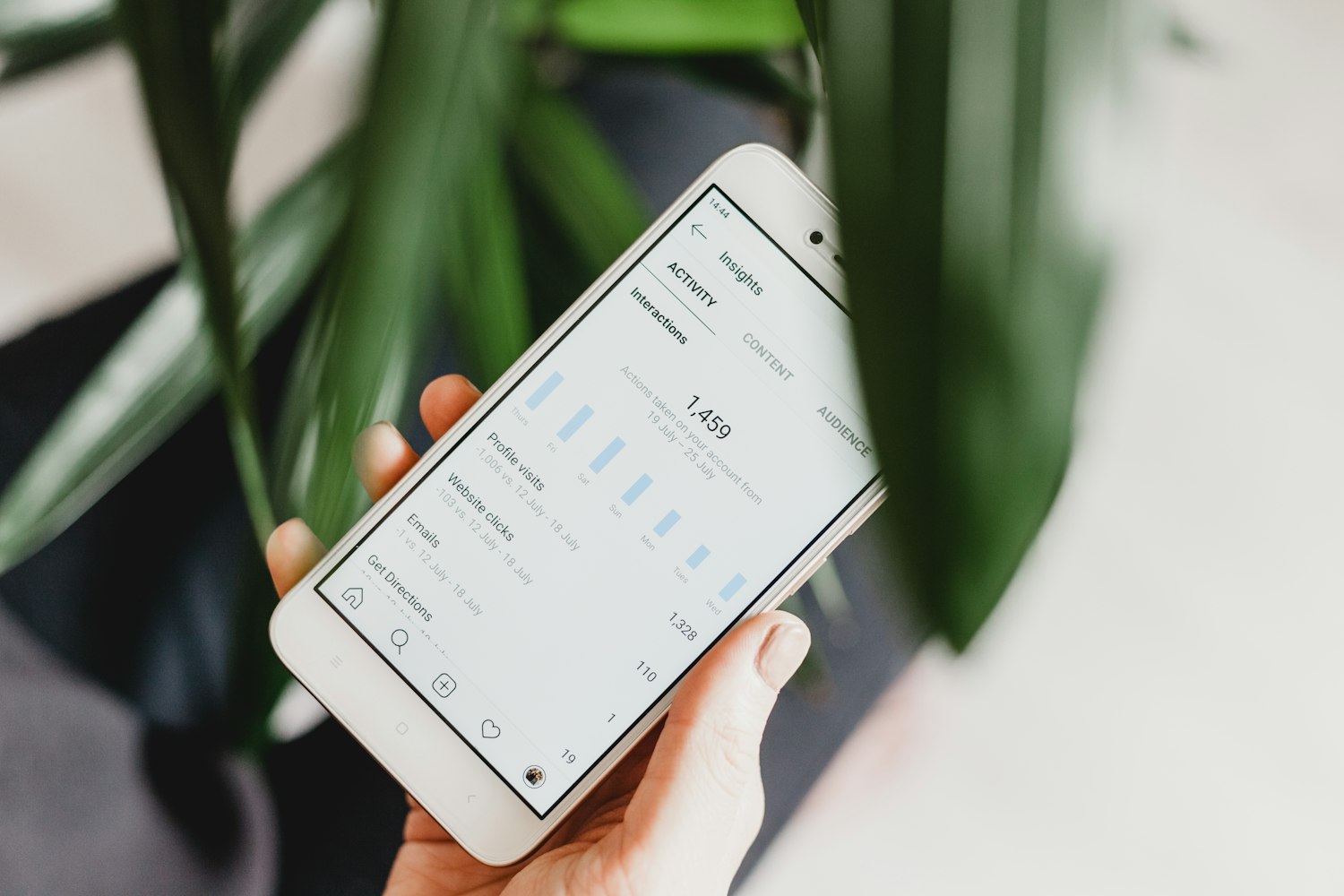
Hopefully you’ve got big plans for 2012, and there’s lots of work waiting for you to get tucked into. Normally whenever I have lots of work, I find that it becomes very difficult to keep an eye on what actual progress is being made. There’s usually so much to do, that I spend most of my time getting-on-with-it. I have to literally stop and force myself to track progress, it’s something I’ve only started a few months ago, but it’s been incredibly handy.

The most important thing about taking a few moments out to write your reports, is that it gives you visibility on the less-exciting but critical elements that you otherwise might miss. For instance, bottom line vs. the number of clients – if everything is coming from one client, it’ll look great on your balance sheet but does your product have a wider appeal? Is the risk of having only one real client appetising?

Action 1. Define your key result areas, e.g. number of leads, lead-sale conversion ratio, bottom line, number of clients, geographic diversity of clients, number of dealers, number of retailers, rate of stock turnover, etc. Only pick the ones that are relevant, but whatever you pick, don’t remove – this isn’t a flavour of the month system.

Action 2. Define a frequency of reporting & stick to it. Weekly/Monthly, keep it short enough for you to react to the information, but not so short it’s useless.

Action 3. Don’t get bogged down or put it off. Yes it’s paperwork, but it needs to be done on-time for it to be useful. Don’t turn it into a mission either, it should be simple enough for you to do quickly (but accurately).

Action 4. React. Collecting information is useless if you don’t respond to it. Understand what it means, use it, change direction if required – but not every week.

What has the Internet done for you in 2011?

As 2011 closes, aside from being a great opportunity for introspection, it’s a great opportunity to examine what the Internet has done for YOU. Facebook, twitter, youtube, all brilliant. Were they of any use to you? What technologies & online trends have you benefited from?

Has your SEO converted into leads or new business? Did any of your twitter followers buy, or have you been able to provide better responses to your customers? Did you get any offers via LinkedIN?

I’m confident 2012 will bring new technology and opportunities. Similar to an SEO campaign; with a little planning and regular monitoring, hopefully in 2012 we’ll see these opportunities translating into real business.

Wishing you a Happy & Prosperous New Year!

Upgrades. Self Promotion.

We all remember to upgrade our mobile phones, laptops and cars. We regularly improve our houses. How many of us remember to improve ourselves though? The world has become so busy that we often forget that we need to constantly upgrade. There are only a few limited professions, like IT, law, accounts and medicine – where staying on top of new developments & certifications is part of the job.

Think about the next big promotion or job, what can you do to maximise your chances of getting that? Industry certifications, indendantly published papers, maybe a few big gigs to your name? Build on your strengths, use certifications/publications/etc. to demonstrate them.

You need to plume your feathers, and be ready with your achivements and a one line summary of who-you-are.

When it comes to work, you’re always on display. You never know when, or from whom, an opportunity to promote yourself might arise. So practice your one-liners and stay up-to-date.

Loyalty Campaigns

It seems that everyone has a loyalty programme these days. Airlines, hotels, coffee shop chains, even Domino’s pizza! Does it really work? Hell yeah.
Its not enough to just copy a random scheme though. You need to know what you want to achieve, what your customer wants, and you need to consider carefully how you’re going to change their purchasing habits.

Loyalty schemes are not just about discounts. You should be discountng to attract new customers, but not to your loyal customers. They’re coming for a different reason. It should be the way you do business with them. Nobody stays loyal because of price.

I fly alot, usually jetairways. The loyalty programme provides a few small perks, extra baggage allowance, priority baggage tags, lounge access, free flights after a set number of miles. Nothing that KingFisher doesn’t do better to be honest. My last flight was with KingFisher, they treat me better, they have more lounges, better lounges, but their customer telephone response team is terrible, and the online booking is glitchy. The free stuff isn’t enough to overcome the way their core business is conducted.

Understanding your customer is important, it enables you to value add through your loyalty scheme in ways that make their experience better, not just cheaper. I found that this article provides a decent overview of how to assemble a campaign. The are plenty of others, but remember that nobody knows your business and your customers like you. Your campaign must consider your customer, their needs, it must directly enhance their experience whilst subtly influencing their purchasing in ways you need.

Have you done your homework?

There’s no question that first impressions count. What’s horrifying about it is the fact that you’re constantly meeting people, which means that you’ve got dozens (or possibly hundreds) of first impressions being made every day.

If you want to make a solid first impression you need to do your homework. It’s not unlike preparing for an interview or a (really hot) first date. You need to anticipate a few questions and polish your answers.

Specifically do some prep work for questions like “What do you do?”, “Who’re your customers?” & “Is ABC your competitor?”. They may seem trivial, but the slickness & interestingness of your responses to this sort of question is what will form first impressions.

I recently spoke to someone who described his customer as “Anyone that owns a laptop.”, instead of sounding like a product with an enormous potential market, it sounded more like he wasn’t really sure who his customer was. Though it is actually an awesome product that I’ve read alot about, his answer didn’t do wonders for my opinion of the business.

Think about all the people in your company, specifically non-sales people, and how they may be casually introducing your business to the world. You may even want to consider this as your offline social media effort?


Headache free Computing

 Almost every traditionally in-house IT service can now be handled via the could. There’s dozens of articles, technical papers and reviews on Cloud computing.  Most articles, including the one in the November 2011 issue of HBR, focus on a few key factors; cost & reliability.

Whilst these are certainly important factors, there’s something more fundamental about cloud computing that really appeals to me. It’s less headache.

Most small to midsize businesses typically have a very limited IT budget, but they also tend to have a shortage of good people, time and headache-capacity. You really shouldn’t be worrying about whether your email server is working properly, if it’s connected to your blackberry, what version of which licence you have, or how you’re going to cope when your current server-admin leaves.

Get on with your business and leave everything else to a company that can deal with it more effectively. Even if it costs you 200 dollars more, you’ll still make a saving in asprin & stomache salts. Personally, I’d like to see more cloud computer marketing of this sort:

Cloud. Headache free servers.


Clear Direction

I recently visited a small business exhibition expecting to find lots of vibrant start-ups eager to promote their products and itching to laden me with pamphlets, flyers and other assorted expo junk. I politely refused most of the junk, but was incredibly surprised by the start-ups. Most of them had spent a hefty sum to exhibit, and had some great ideas, but they had no idea how to communicate their idea or what to do at the exhibition!

The issues broadly fell into the two following categories:

1. Clarity; Be very clear about what your business is, what you’re selling and who your customers are. If you can’t sum that up in one, or at most two lines, you won’t be able to communicate it to the person you’re speaking to. Prospective clients need to understand why they’re speaking to you and you won’t have long.

2. Direction; What is your objective at the exhibition? Define your goals well before you arrive. Setup your stall, your dress code and your literature to facilitate reaching that goal. If you’re there to sell, be very clear on who you need to speak to, and how you’re going to identify a potential customer. Casual visitors & people-who-will-never-be-your-clients will be happy to talk to you idly and waste your precious time if you’re not careful.

Digital Partnerships

Offline, we see a lot of marketing partnerships, from tent cards in a restaurant promoting a nearby theatre, flyers in bar advertising taxi companies, through to more subtle referral relationships. This type of promotion is the main stay marketing for many small companies, and even a few very large ones. And there’s no reason why it can’t work for you online.

There are already online agents & lead generators for many industries (real estate, video conferencing, hotels), but outside of the obvious there’s plenty of opportunity to experiment with the new online relationships. For instance, chocolatiers tying up with florists for value-add or a post purchase promotion for all online sales, hotels providing coupons (post purchase) and the address & details of a local spa in it’s “nearby amenities” section. A particularly impressive, and now very mainstream, partnership is where airlines up-sell the planting of trees to counteract your environmental impact – there’s no reason any other business can’t do something similar.

If you treat local websites, like traditional local businesses, you may be able to forge partnerships that work small wonders for you.

Scheduling & Discipline

I’ve not managed a post in 4 weeks, which is really terrible. So I started writing about why scheduling your content really is a much more sensible way to things, than my current spur-of-the-moment-inspired-posts mechanism. That’s when I got Chris’s latest Kitchen Table newsletter and felt motivated, and a little envious… I’d like a few new toys myself :-)

The fact is there’s an abundance of tools that allow you to schedule your social media content, so many in fact, that it’s getting hard to track. There’s plenty of tools for twitter and facebook (see here , here & here). WordPress & Blogger let you do this natively.

But Chris is right, more than tools and cool gadgets, you need to have the discipline to schedule your content. It’s genuinely worth building. Simply put, scheduling helps you achieve a few key things:

1. Continuity; regularity is important,. You’ve got readers because you’ve got content, make sure you keep your content fresh and keep your readers coming. It’s very hard to get them back if you lose them.
2. Quality; most readers come to you for your quality content, which usually improves when you’ve got a little extra time to work on your posts thanks to the one’s you’ve got pre-scheduled.
3. Structure; you can better orchestrate the overall direction and structure of your blog when you’re not working under pressure to write the next post (on anything even vaguely relevant).

Saying no gracefully

When you get a message that doesn’t make the grade (seriousness, dollar value, time frame), it’s very tempting to ignore it. After all you get so many messages, and you’re very busy. It’s only reasonable, right? You have to prioritize how you spend your time… right?

What we often forget is that someone, a potential customer or maybe just a window shopper, said “Hello!”. If you’re not careful, by ignoring them, you’re leaving them with a negative image. Think about their perspective! By not replying, you’re sending a message that they’re not worth your time, you can’t be bothered replying, or worse, that your pre-sales is so poor they shouldn’t bother buying (imagine the post sales experience!?).

You need to treat every inquiry, whether it’s a web form inquiry, email, direct message, forum post or tweet, critical or not, with as much importance as a walk in customer. These are your customers, and your response (or lack thereof) if going to determine what they think of you, and what they communicate onwards.

A well received negative response can be worth more in positive brand image than an actual low value customer.